Marin County probate court records provide public documentation related to estates, wills, guardianship, conservatorship, and estate administration cases handled within the local court system. These records typically include filings, petitions, orders, and case updates that reflect how assets and responsibilities are managed after a person’s passing. Researchers, legal professionals, and family members often review these documents for case details and procedural history. The records support transparency in probate matters and help track case progression through different stages of court review.
Marin County probate court records are often referenced for legal verification, estate disputes, and background research related to inheritance matters. These documents may contain information about executors, beneficiaries, asset distribution, and court rulings issued during probate proceedings. Many case details are organized through official court listings and filing indexes maintained by the county court system. Such records support case verification and help maintain accurate documentation of probate activities across different cases handled over time. They remain important for legal reference and historical case review purposes.
How to Search Probate Court Records Online
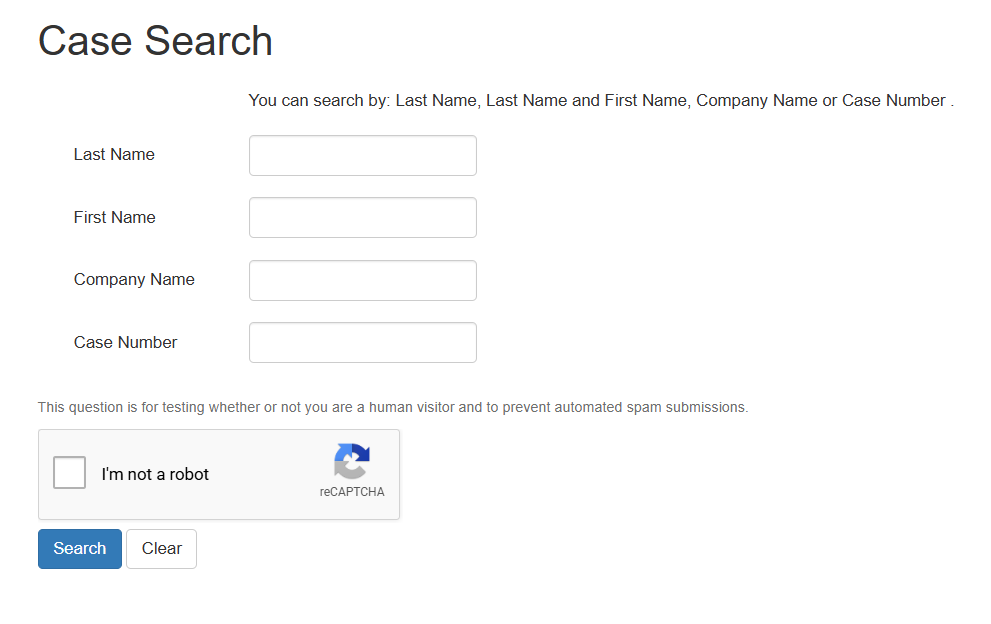
Marin County probate court records can be searched through the official Marin County Court ePortal system, which works as a public court case database. Users can find probate case search results by entering case numbers or party names.
Official court portal (naked URL): https://webportal.marin.courts.ca.gov/PublicPortal/
This system provides online estate records, probate filings, and case details from the Marin County probate court.
Create or Open a Court ePortal Account
Marin County uses a secure digital probate system for public case search.
Steps:
- Visit the official portal link above
- Select the “Search for a Case” option
- Register an account (required for full search features)
- Log in to continue
The system supports civil, criminal, family, and probate records in one database.
Select Probate Case Search Option
After login, the user selects the probate category inside the court case database.
Available filters usually include:
- Probate case type
- Estate administration records
- Guardianship and conservatorship files
This helps narrow results inside the online estate records system.
Enter Search Details
The public probate lookup system works using basic identifiers.
Users can search using:
- Full legal name (decedent or executor)
- Case number (best accuracy)
- Filing date range
- Case category (probate, estate, trust)
Even small spelling changes can affect results in the system.
Review Probate Case Results
Once results appear, the Marin County probate court records display structured case information.
Common details shown:
- Case number and title
- Parties involved (executor, heirs, petitioner)
- Filing history and court actions
- Hearing dates
- Register of actions (case timeline)
This section reflects how the estate case moves through court review.
View or Request Full Documents
Some probate records show summaries only. Full filings may require extra steps.
Options include:
- Viewing documents online (limited cases)
- Requesting copies from the court records division
- Submitting a formal records request form
- Visiting the courthouse in person
Fees may apply for printed or certified copies.
Probate Proceedings in Marin County
Probate proceedings in Marin County begin when a court takes legal responsibility over a deceased person’s estate. The probate court manages how assets are handled, debts are cleared, and property is transferred to rightful heirs. These proceedings follow a structured legal estate process that moves step by step from case filing to final closure. Court supervision remains active throughout, helping maintain proper handling of inheritance matters and ensuring each stage follows state probate law requirements.
Opening of Probate Case
Probate proceedings start when a petition is filed with Marin County probate court to open an estate case. This filing activates the legal estate process and brings the estate under court authority. The petition usually includes a death certificate, will if available, and basic estate details. Once accepted, the court assigns a case number and schedules initial review. At this stage, the probate court confirms jurisdiction and determines whether the estate qualifies for formal probate administration.
Appointment of Executor or Administrator
After the case opens, Marin County probate court appoints a person to manage estate administration. This role is assigned to an executor named in the will or an administrator chosen by the court if no will exists. The appointed individual handles financial accounts, protects assets, and reports actions back to the court. Court supervision ensures that responsibilities are carried out properly and that estate property remains secure during the probate proceedings until final distribution begins.
Asset Identification and Evaluation
During estate administration, all assets belonging to the deceased are identified and recorded under probate court supervision. This includes property, bank accounts, investments, and personal belongings. Each asset is evaluated to determine its total value within the estate. The legal estate process requires complete transparency so that heirs and creditors understand the estate’s financial position. The court reviews submitted inventory reports to confirm accuracy before allowing further steps in the probate proceedings.
Debt Payment and Legal Claims
Before any inheritance distribution, the probate court ensures all valid debts and claims against the estate are resolved. Creditors submit claims for review, and the executor evaluates their legitimacy. Approved debts are paid using estate funds under court oversight. This stage of probate proceedings protects creditors’ rights while maintaining fairness in estate handling. If disputes arise, the probate court reviews evidence and issues rulings that determine whether claims are valid under the legal estate process.
Asset Distribution Process
Once debts are cleared, remaining assets move into distribution under probate court supervision. The executor follows the will’s instructions or state inheritance laws if no will exists. Assets may include property transfers, financial account division, and allocation of personal belongings. The court reviews the proposed distribution plan before approval. This stage ensures the asset distribution process remains fair, legally valid, and properly documented within Marin County probate court records.
Probate Hearing Stages and Final Closure
Probate hearings occur at different stages to monitor progress and resolve any disputes during estate administration. Early hearings confirm case validity, while later hearings review asset handling and debt resolution. The final hearing approves the completion of probate proceedings after verifying all responsibilities are fulfilled. Once approved, the court closes the estate case officially. The probate court then records final orders showing that the estate administration process has been completed in accordance with legal requirements.
Wills and Estates in Probate Court
Wills and estates in probate court refer to the legal handling of a deceased person’s testamentary documents and property distribution. The probate court reviews wills, verifies their validity, and oversees how estate assets are managed and transferred to beneficiaries. Probate filings begin the legal process, where estate court records document each step from submission to final resolution. The system ensures that estate matters follow proper legal standards and that beneficiary rights are protected throughout administration.
How Wills Are Processed in Probate Court
Wills submitted to probate court go through a structured review before any estate distribution begins. The court examines testamentary documents to confirm authenticity and legal compliance. This includes checking signatures, witness requirements, and proper execution under state law. Once validated, the will becomes the primary document for estate handling. Probate filings are then recorded in estate court records, creating a legal trail that tracks how assets will be managed and distributed to beneficiaries.
Key steps in will processing:
- Filing of original will with probate court
- Verification of signatures and witnesses
- Confirmation of legal validity
- Entry into estate court records system
Estate Validation Procedures
Estate validation procedures confirm whether a will is legally acceptable and whether the estate qualifies for probate administration. The probate court reviews all probate filings, including death certificates and supporting documents, before approving estate proceedings. If no will exists, the court applies intestate succession rules to determine asset distribution. This validation process ensures that estate court records reflect accurate legal ownership and that all estate matters follow established probate requirements.
Common validation actions include:
- Reviewing probate filings for completeness
- Confirming estate asset documentation
- Checking for disputes or challenges
- Determining probate eligibility
Role of Executor in Estate Administration
The executor plays a central role in managing wills and estates under probate court supervision. This individual is responsible for carrying out instructions written in testamentary documents and ensuring fair estate distribution. The executor collects assets, pays debts, and distributes remaining property to beneficiaries according to court-approved estate plans. Probate court monitors these actions through estate court records to confirm compliance with legal standards and protect beneficiary rights throughout the process.
Executor responsibilities include:
- Managing estate assets and accounts
- Paying outstanding debts and taxes
- Handling probate filings and reports
- Distributing assets to beneficiaries
- Communicating with the probate court during administration
Wills and estates processing in probate court ensures structured estate handling from validation to final distribution. Through probate filings and court supervision, the system maintains legal order, protects beneficiary rights, and ensures transparent estate administration.
Guardianship Cases in Marin County Probate Court
Guardianship cases in Marin County probate court involve legal arrangements where the court assigns responsibility for a minor or dependent adult. The probate court reviews guardianship petitions and issues custody decisions based on welfare and safety considerations. These estate administration matters focus on protecting vulnerable individuals through court-appointed supervision. Legal custody orders define who manages care, finances, and daily needs under court authority while maintaining oversight through formal probate procedures.
What Guardianship Means Legally
Guardianship refers to a court-approved legal responsibility where an appointed person manages care and protection for a minor or incapacitated adult. In Marin County probate court, guardianship replaces parental or self-care authority when required for safety or legal reasons. The court evaluates dependency protection cases to decide if guardianship is necessary. Once approved, legal custody orders define the guardian’s authority over health, education, and personal welfare decisions under court supervision.
Key legal points include:
- Court-appointed guardian authority
- Protection of minors or dependents
- Legal custody orders issued by probate court
- Ongoing court supervision of responsibilities
Types of Guardianship Cases
Guardianship cases in probate court vary based on the needs of the individual involved. Some cases focus on minor guardianship when parents are unable to provide care. Other cases involve adult guardianship for individuals with physical or mental limitations. Each case type follows specific estate administration procedures and requires court approval. The probate court reviews dependency protection cases carefully to determine the most suitable arrangement for long-term care and legal responsibility.
Common guardianship types include:
- Minor guardianship cases
- Adult incapacity guardianship
- Temporary guardianship orders
- Emergency custody arrangements
Court Approval Process for Guardianship
The court approval process for guardianship in Marin County probate court begins with filing a formal petition. The court reviews evidence, conducts hearings, and evaluates whether guardianship is necessary. Investigations may include background checks and welfare assessments to protect the individual’s best interests. If approved, legal custody orders are issued and a court-appointed guardian assumes responsibility. Estate administration records are updated to reflect guardianship status and ongoing court supervision.
Approval steps include:
- Filing guardianship petition in probate court
- Court review of supporting documentation
- Background and welfare evaluation
- Probate hearing for case decision
- Issuance of legal custody orders
Guardianship cases in Marin County probate court ensure structured protection for minors and dependents through formal legal custody orders. The court maintains supervision throughout estate administration to confirm proper care and compliance with dependency protection laws.
Estate Administration Process in Probate Court
Estate administration in probate court refers to the structured process of managing a deceased person’s assets, debts, and legal affairs under court supervision. In Marin County probate proceedings, this process follows a clear sequence that begins after probate filings and continues until final estate closure. The court oversees each step to confirm that wills and estates are handled according to law. Executor responsibilities, asset distribution process, and legal estate closure all form key parts of this structured timeline.
Opening of Estate Administration and Executor Role
Estate administration begins once the probate court accepts the case and appoints an executor or administrator. This appointment gives legal authority to manage estate assets and carry out court-approved actions. The executor responsibilities include collecting property, securing financial accounts, and notifying creditors. Probate filings also become part of estate court records, creating an official case history. The court monitors each action to confirm proper handling of wills and estates during early probate proceedings.
Key executor duties include:
- Collecting and securing estate assets
- Managing financial accounts and records
- Filing required probate documents
- Notifying creditors and beneficiaries
Asset Management and Estate Settlement Timeline
After appointment, the estate administration process moves into asset identification and valuation. The executor prepares a full inventory of estate property, including real estate, bank accounts, and personal assets. Creditors may submit claims, which must be reviewed before payment. This stage forms the core of probate proceedings and determines how long the estate settlement timeline will take. The probate court ensures transparency while reviewing estate records and supervising all financial actions.
Typical settlement activities include:
- Listing and valuing all estate assets
- Reviewing and paying valid debts
- Handling creditor claims
- Updating estate court records
Asset Distribution Process Under Court Supervision
Once debts are resolved, the asset distribution process begins under probate court supervision. The executor follows instructions in wills and estates documents or state inheritance laws if no will exists. Property and financial assets are transferred to beneficiaries based on legal approval. The court reviews distribution plans before final execution to prevent disputes or errors. This stage ensures fair handling of estate administration and proper completion of probate proceedings.
Distribution steps include:
- Court review of distribution plan
- Transfer of property to heirs
- Allocation of financial accounts
- Settlement of remaining estate items
Legal Estate Closure and Final Court Approval
The final stage of estate administration involves legal estate closure approved by the probate court. The executor submits final reports showing all debts paid and assets distributed. The court reviews estate filings to confirm compliance with probate rules and resolves any remaining issues. Once approved, the probate proceedings officially close, and estate court records are updated to reflect completion. This marks the end of the legal responsibility for wills and estates under court supervision.
Public Access Rules for Probate Records
Probate records in the Marin County probate court are generally open to the public, but access depends on case type and legal restrictions. Estate court records often include filings related to inheritance, wills, and estate administration. Some documents remain visible as public inheritance records, while others fall under privacy laws in probate that limit disclosure. The court balances transparency with protection of sensitive information, especially in confidential probate files involving minors or protected parties.
What Probate Records Are Open to the Public
Many probate records are treated as public documents and can be reviewed through estate court records systems. These files usually include basic case details such as filings, hearing dates, and estate administration summaries. Marin County probate court allows public viewing of most non-restricted case information to maintain transparency in legal proceedings. However, access levels may differ depending on document type and case sensitivity.
Common publicly available probate records include:
- Case summaries and register of actions
- Filed probate petitions
- Executor or administrator appointment details
- General estate court records
Confidential Probate Files and Restricted Access
Certain probate records are not available for public viewing due to privacy laws in probate. These confidential probate files may include financial account details, medical information, or sensitive family matters. The court restricts access to protect beneficiaries, minors, and vulnerable parties involved in estate cases. Marin County probate court enforces strict rules to separate restricted estate records from public inheritance records, ensuring only authorized users can view protected information.
Restricted documents often include:
- Medical or incapacity reports
- Financial account statements
- Minor-related guardianship details
- Sealed court filings
Privacy Laws in Probate and Access Limitations
Privacy laws in probate control how estate court records are shared with the public. These laws prevent unauthorized disclosure of sensitive data while still allowing general case transparency. Marin County probate court follows state-level rules that define which probate records are public and which remain sealed. Legal representatives, executors, or court-approved parties may request full access to restricted estate records under specific conditions approved by the court.
Key privacy protections include:
- Limited access to sealed probate files
- Protection of beneficiary identity details
- Restricted viewing of financial estate data
- Court-approved document release requests
How Public Inheritance Records Are Used
Public inheritance records are often used for legal research, genealogy, and estate verification. These probate records help confirm asset transfers, will execution, and court-supervised estate administration. Marin County probate court maintains these records in structured estate court systems for easy reference. While many details are public, sensitive sections remain protected under privacy laws in probate to prevent misuse of personal or financial information.
Common uses include:
- Verifying inheritance claims
- Reviewing estate settlement history
- Legal background checks
- Estate administration research
Public access to probate records in Marin County follows a controlled system that balances transparency with privacy protection. Estate court records remain available for general review, while confidential probate files stay restricted under legal safeguards.
Marin County Probate Court Contact Information
Marin County probate court contact information helps users reach the probate division for estate court records, probate proceedings, and filing support. The probate court handles wills, estates, and related legal matters through its clerk probate division and public service desks. Most inquiries related to estate administration, case status, or document requests are handled through official courthouse channels. The court also provides probate assistance desk support for general questions about filings and procedures.
Main Courthouse Contact Details
Marin County probate court operates through the Marin County Superior Court located in San Rafael, where estate court records and probate proceedings are managed. Most probate matters are processed at the Hall of Justice, which serves as the central courthouse for civil and probate cases. Users can contact the court through its official website or visit in person for document requests, filing assistance, or case-related information from the probate division.
Official contact points:
- Courthouse: Marin County Superior Court
- Location: Hall of Justice, 3501 Civic Center Dr, San Rafael, CA 94903
- Website: https://www.marincourt.org/
- Department: Probate Division (estate and wills cases)
Probate Division and Clerk Services
The clerk probate division manages probate filings, estate court records, and case registration for wills and estates. This office handles document submission, file stamping, and record maintenance for probate proceedings. Users often contact the probate assistance desk for help with case searches, filing requirements, and record requests. Estate administration matters are also routed through this division, which works under court supervision to maintain accurate legal documentation.
Services handled by the probate division:
- Filing probate petitions and wills
- Managing estate court records
- Providing case status information
- Supporting probate proceedings paperwork
How to Request Probate Assistance
Probate assistance at Marin County probate court is available through in-person visits, official website services, and written requests. Individuals seeking estate court records or probate case updates can submit requests to the clerk office or use the court’s online case system. The assistance desk helps with procedural questions related to probate filings, estate administration, and document retrieval. Response times may vary depending on case volume and request type.
Common support options include:
- In-person courthouse assistance
- Online probate record search system
- Written document request submissions
- Clerk probate division support desk
Marin County probate court contact channels provide structured access to estate court records, probate proceedings, and filing support. The clerk probate division ensures that all estate administration requests are handled under proper court procedures while maintaining organized legal records.
Frequently Asked Questions
Marin County probate court records are commonly reviewed for estate matters, inheritance tracking, and legal verification. Probate case search tools help users locate filings, wills, and court activity tied to estate administration. The FAQs below explain probate filings, guardianship records access, conservatorship cases, and estate procedures in clear detail.
How do I search Marin County probate court records?
Marin County probate court records can be searched through the official court case search system used by the Superior Court. Users typically enter a full name, case number, or filing date range to pull up probate filings and estate-related entries. The probate case search results may show case summaries, hearing dates, and basic register of actions. For full documents, users may need to request copies through the clerk probate division or submit a formal records request at the courthouse.
What are probate records used for?
Probate records are used to document how a deceased person’s estate is handled under court supervision. These records include wills, asset listings, debts, court rulings, and estate distribution details. They help confirm how estate administration is carried out from filing to closure. Legal professionals use probate filings for inheritance case lookup, while families use them to track property transfer. Researchers also rely on estate court records to verify historical inheritance activity and legal decisions.
How does estate administration work in probate court?
Estate administration in probate court begins after a probate case is opened and an executor or administrator is appointed. This person gathers assets, identifies debts, and manages financial accounts tied to the estate. Probate filings are submitted throughout the process to update the court on progress. Creditors may file claims that must be reviewed and resolved before distribution. The probate court supervises each stage until the estate is fully settled and legally closed through final approval.
Can I search wills and estate cases online?
Yes, wills and estate cases can often be searched online through Marin County probate court records systems. These systems allow users to enter names or case numbers to view available probate filings and case summaries. Some information is public, such as case status, hearing dates, and general estate details. However, sensitive documents like financial statements or personal data may not be fully available online due to privacy restrictions and court rules.
What is the difference between guardianship and conservatorship?
Guardianship and conservatorship both involve court-appointed responsibility, but they apply to different situations. Guardianship usually applies to minors who need care and legal protection when parents are unable to provide support. Conservatorship applies to adults who cannot manage personal or financial matters due to incapacity. Both cases fall under probate court supervision and are recorded in estate court records. Each arrangement includes court approval, ongoing reporting, and legal oversight to protect the individual involved.